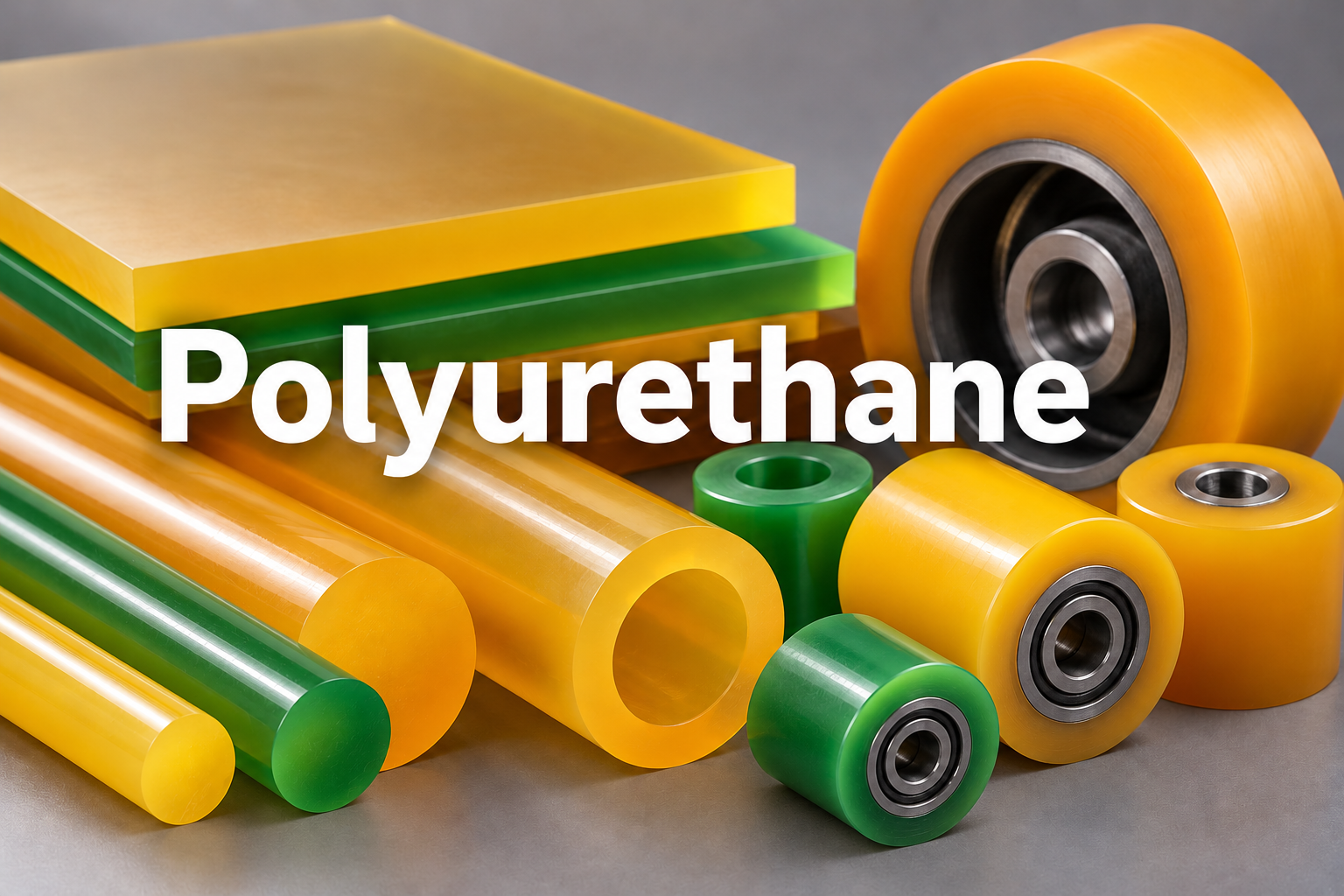
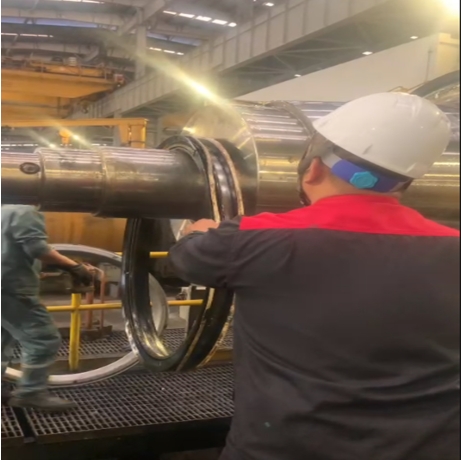
PTFE (Polytetrafluoroethylene), commonly known as Teflon, is a high-performance engineering plastic belonging to the fluoropolymer family. It is widely recognized for its excellent heat resistance, chemical resistance, electrical insulation properties, and low coefficient of friction. Thanks to these characteristics, PTFE is extensively used in the chemical processing, mechanical engineering, electrical and electronics, food processing, pharmaceutical, and industrial equipment manufacturing industries.
PTFE was discovered in 1938 by chemist Roy J. Plunkett during his research at DuPont in the United States. In 1945, the Teflon trademark was registered and gradually became widely recognized in various industrial and consumer applications. Today, Teflon™ is a trademark owned by Chemours.
Unlike conventional engineering plastics such as PA, POM, or PE, PTFE can maintain many of its essential properties over a wide temperature range and in harsh chemical environments. The material features a smooth, non-stick surface and excellent weather resistance, making it suitable for sealing components, sliding parts, bushings, and equipment requiring corrosion resistance.
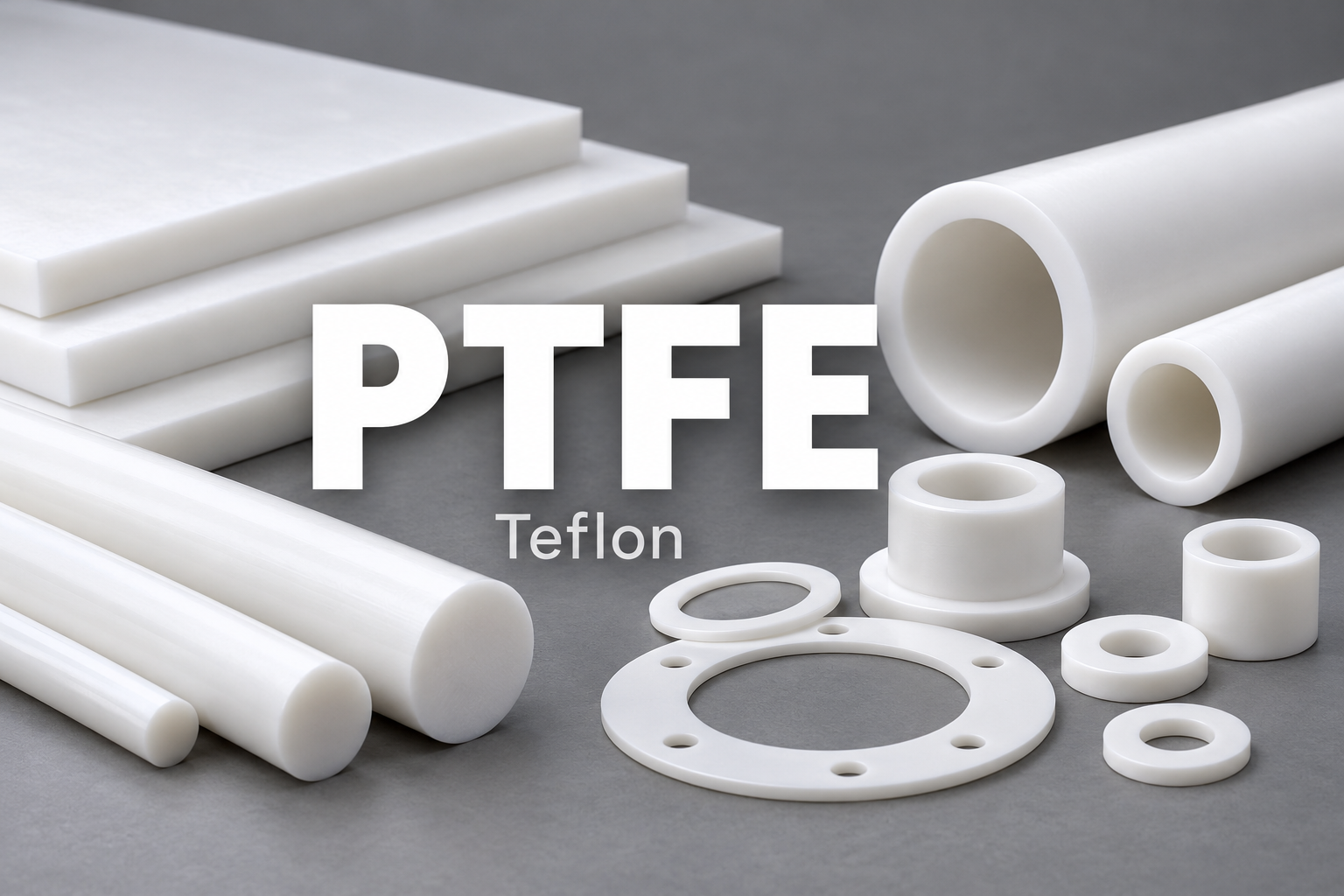
In industrial applications, virgin PTFE is typically white or off-white and is manufactured into sheets, rods, tubes, and components of various shapes. Additionally, PTFE can be modified with fillers to improve load-bearing capacity, deformation resistance, or wear resistance under specific operating conditions.
PTFE is a synthetic polymer formed through the polymerization of Tetrafluoroethylene (TFE) monomers, which have the molecular formula C₂F₄.
Polymerization reaction of PTFE:
n CF₂=CF₂ → [–CF₂–CF₂–]ₙ
Repeating unit structure of PTFE:
[–CF₂–CF₂–]ₙ
Where:
The molecular structure of PTFE consists of a carbon backbone connected by single bonds, with each carbon atom bonded to two fluorine atoms. The strong carbon–fluorine (C–F) bonds contribute to the material's outstanding chemical resistance, thermal stability, and environmental durability.
The fluorine atoms surrounding the carbon backbone help limit interactions between the polymer and many external chemical agents. This molecular arrangement is one of the main reasons why PTFE exhibits high chemical inertness, low surface energy, and excellent non-stick properties.
Thanks to this unique molecular structure, PTFE can maintain its performance under various conditions where conventional plastics may not be suitable.
Based on material composition and formulation, PTFE used in industrial applications is generally classified into the following main types:
Virgin PTFE
Virgin PTFE is an unfilled material without added reinforcing fillers. It is typically white and possesses characteristic properties such as excellent chemical resistance, a low coefficient of friction, and outstanding electrical insulation.
This material is commonly used to manufacture sealing gaskets, washers, corrosion-resistant liners, electrical insulation components, and parts exposed to chemical environments.
Filled PTFE
Filled PTFE is produced by incorporating additives such as glass fiber, carbon, graphite, bronze, or other reinforcing materials to improve specific mechanical properties.
Depending on the filler type and content, the material may offer improved wear resistance, load-bearing capacity, dimensional stability, or resistance to deformation under pressure.
Filled PTFE is commonly used in bushings, guide rings, industrial seals, thrust washers, and sliding components.
Modified PTFE
Modified PTFE is a type of PTFE with an adjusted polymer structure designed to improve certain properties, such as creep resistance, flexural strength, or processing performance, while retaining many of the advantages of conventional PTFE.
This material is suitable for applications requiring high dimensional stability and reliable sealing performance.
PTFE is considered one of the polymer materials with outstanding chemical resistance and thermal performance. Some of its most important properties include:
|
Property |
Typical Reference Value |
|
Density |
2.14 – 2.20 g/cm³ |
|
Hardness |
50 – 65 Shore D |
|
Tensile Strength |
Approx. 20 – 35 MPa |
|
Elongation at Break |
Approx. 200 – 500% |
|
Reference Operating Temperature |
-200°C to 260°C |
|
Melting Temperature |
Approx. 327°C |
|
Dynamic Coefficient of Friction |
Approx. 0.05 – 0.10 under certain testing conditions |
|
Chemical Resistance |
Excellent resistance to most common chemicals |
|
Electrical Insulation |
Excellent |
|
Weather Resistance |
Excellent |
Note: The values above are reference ranges for certain conventional virgin PTFE grades. Actual specifications may vary depending on the material grade, manufacturing process, testing conditions, and filler composition. For filled PTFE or modified PTFE, the corresponding technical datasheets should be consulted when selecting the material.
Despite its advantages in heat resistance, chemical resistance, and low friction, PTFE also has certain limitations that should be considered:
Therefore, when selecting PTFE for industrial equipment, it is essential to consider operating temperature, pressure, load requirements, chemical exposure, and dimensional accuracy to ensure effective performance.
Thanks to its outstanding chemical resistance, heat resistance, electrical insulation, and low coefficient of friction, PTFE is widely used across various industrial manufacturing sectors.
PTFE is a commonly used material for manufacturing industrial sealing components, especially in systems operating at high temperatures or exposed to corrosive chemical environments.
Typical products include PTFE gaskets, sealing washers, PTFE seals, backup rings, anti-extrusion rings, and specialized sealing components.
Its chemical resistance and low coefficient of friction make PTFE suitable for various industrial valves, pumps, hydraulic and pneumatic equipment, and pipeline systems.
For applications involving high pressure or heavy loads, PTFE materials can be combined with reinforced structures or appropriate sealing designs to minimize deformation and maintain reliable performance.
In chemical processing plants, PTFE is used to manufacture corrosion-resistant liners, pipe linings, valve components, flange gaskets, and parts that come into direct contact with chemicals.
Thanks to its resistance to most acids, alkalis, and industrial solvents, PTFE helps minimize the effects of corrosive chemicals on equipment components.
Typical applications include chemical transfer pipelines, control valves, chemical pumps, storage tanks, and equipment for handling corrosive liquids.
The use of PTFE in these environments should be based on chemical compatibility and specific operating temperature and pressure conditions.
The low coefficient of friction is one of the key properties that make PTFE a preferred material in mechanical engineering and machinery manufacturing.
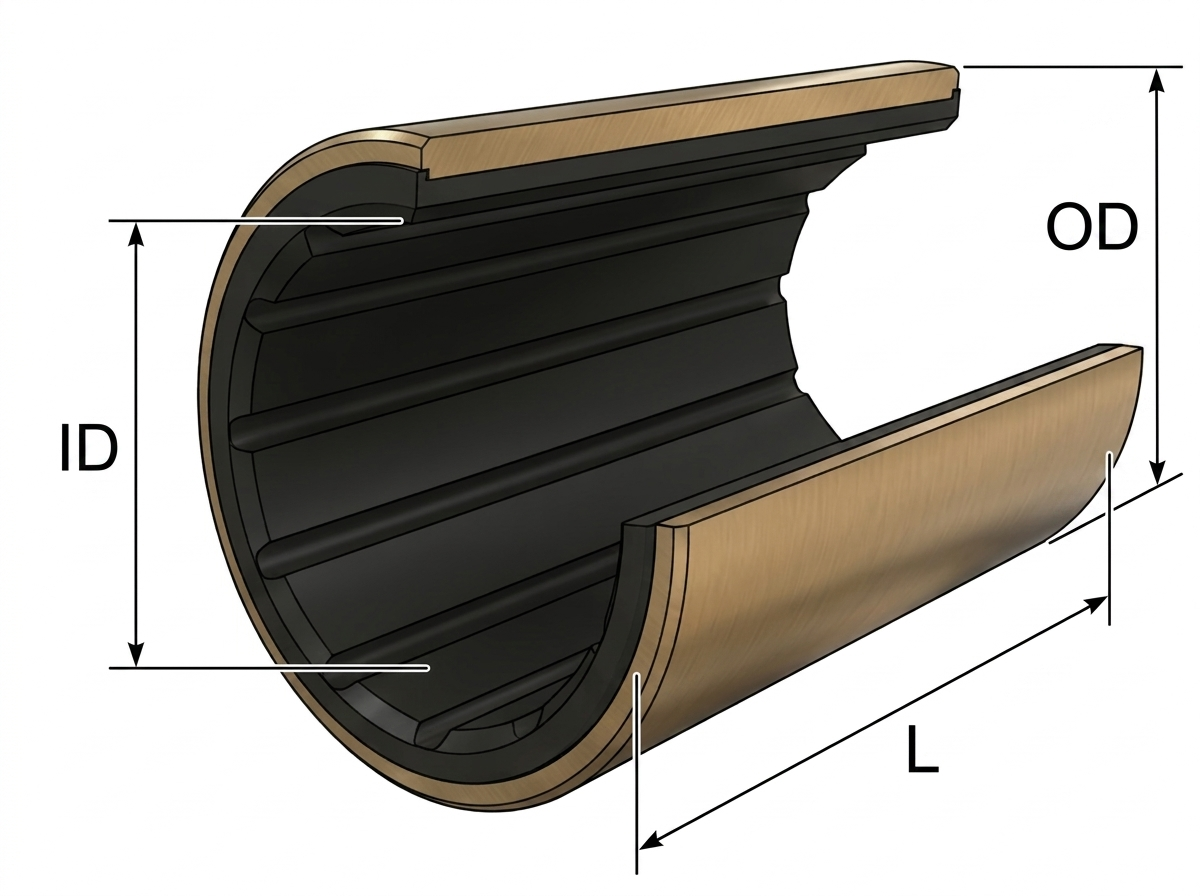
PTFE is commonly used to produce plain bearings, guide rings, sliding plates, friction washers, and components involving relative movement between contacting surfaces.
The material helps reduce friction, minimize adhesion between surfaces, and support operation in systems where conventional lubricants are difficult to use.
For components subjected to heavy loads or continuous movement, filled PTFE grades containing carbon, graphite, glass fiber, or other suitable reinforcing materials are often considered to improve wear resistance and dimensional stability.
PTFE is widely used in applications requiring electrical insulation, heat resistance, and stable dielectric properties.
Typical products include wire insulation, coaxial cables, insulating tubes, electrical insulation sheets, and components for electrical and electronic equipment.
Thanks to its low dielectric constant and low dielectric loss, PTFE is particularly suitable for high-frequency applications where signal transmission and insulation performance are essential.
In addition, its heat resistance and environmental durability make PTFE suitable for electrical systems operating under demanding conditions.
In the food processing and pharmaceutical industries, PTFE can be used to manufacture sealing components, guide parts, non-stick liners, and equipment components that come into contact with products during manufacturing.
Its chemical resistance, non-stick properties, and heat resistance make PTFE suitable for various equipment systems requiring frequent cleaning.
Products such as PTFE gaskets, PTFE sheets, and custom-machined components can be selected for processing lines, packaging equipment, and raw material handling systems.
However, for components that come into direct contact with food or pharmaceutical products, the selected material grade must meet the applicable standards and certification requirements for the intended application.
With over 20 years of experience in manufacturing technical rubber products and industrial components, Anh Tri Tue Company focuses on providing custom manufacturing solutions for PTFE (Polytetrafluoroethylene) products, supporting machinery operation, maintenance, and component replacement across various industries.
Technical PTFE products include sealing gaskets, PTFE seals, washers, bushings, PTFE sheets, PTFE rods, PTFE tubes, guide rings, valve components, and specially shaped parts.
Depending on specific application requirements, PTFE components can be manufactured using virgin PTFE or suitable filled PTFE grades to meet operating conditions involving temperature, pressure, friction, and chemical exposure.
Custom manufacturing based on technical drawings or physical samples allows dimensions, shapes, thicknesses, and tolerances to be adjusted to suit different machinery and equipment systems.
For specialized industrial applications, selecting the appropriate PTFE grade and manufacturing method plays an important role in ensuring sealing performance, durability, and operational stability.
Anh Tri Tue Company aims to meet the demand for custom-engineered material products, contributing to improved equipment efficiency, reduced downtime, and optimized maintenance and component replacement costs.