1. What is natural rubber?
Natural rubber is an elastic material obtained from the latex of rubber trees. Natural rubber has very good elasticity and stretch. Due to the chemical formula of natural rubber with long chains, the tensile strength - adhesion of raw rubber is very high, it is necessary to pay attention to the long rolling process, which consumes energy.
Natural rubber is usually sourced from the Hevea brasiliensis or Pará rubber tree. This native Brazilian tree is now grown in Southeast Asian countries such as Thailand, Indonesia, Malaysia, India, and Vietnam. Other trees that can be used as sources of natural rubber include the Castilla elastica (Panama rubber) tree. However, Hevea brasiliensis is the preferred source for many commercial uses. The most common commercial use of natural rubber is in tires, which spans a wide range of industries, including automotive and aerospace.

Chemical formula of natural rubber
Natural rubber has many double bonds due to the action of oxygen - high (n > 20 k), so it is susceptible to ozone - temperature aging.
2. Where does natural rubber come from?
Hevea brasiliensis is commonly known as the “rubber tree”. It can grow up to around 43m in the wild, but those grown in plantations are usually much smaller, as tapping the tree limits its growth. These trees are usually cut down after 30 years, as the latex production from the trees decreases as they age. When cut down, the wood is harvested and used to make furniture.
Rubber trees are native to the tropical forests of the Amazon region of South America, including Brazil , Venezuela, Ecuador, Colombia , Peru, and Bolivia. Most commercially produced natural rubber is grown in Southeast Asia, primarily in Thailand , Indonesia , and Vietnam.

Rubber forest in Binh Phuoc, Vietnam
3. Mechanical properties of natural rubber
|
Properties |
Value |
|
Common hardness, Shore A |
50 - 80 |
|
Heat resistance |
-50 – 800C |
|
Tensile strength |
25N/mm2 |
|
Maximum tensile elongation |
700 % |
Vulcanized natural rubber has good mechanical properties, especially good tensile strength. The outstanding properties of natural rubber compared to synthetic rubber are its good elasticity and recovery properties. Natural rubber, after being stretched, almost completely recovers its original size when released and then gradually recovers some of its residual deformation.
Natural rubber has relatively poor resistance to weathering and aging. Unlike synthetic elastomers, natural rubber softens when exposed to sunlight due to polymer chain breakage. It has only moderate resistance to ozone.
Natural rubber has excellent resistance to most inorganic salt solutions, alkalis, and non-oxidizing acids (except hydrochloric acid, which reacts with rubber to form rubber hydrochloride). Strong oxidizing media such as nitric acid, concentrated sulfuric acid, permanganate, dichromate, chlorine dioxide, and sodium hypochlorite attack rubber. Mineral and vegetable oils, gasoline, benzene, toluene, and chlorinated hydrocarbons cause rubber to swell. Cold water, on the other hand, tends to preserve natural rubber.
4. Application
Natural rubber is one of the most commonly used rubbers, with a wide range of applications in many industries. Natural rubber is used in the production of pneumatic tires and tubes, power transmission belts, conveyor belts, gaskets, seals, hoses, chemical tank linings (solutions of inorganic salts, alkalis and non-oxidizing acids), shock absorbers for sound and vibration and seals against air, moisture, sound and dirt. Some typical applications in the industries include:
Automotive: Natural rubber is used alongside synthetic polymers in the tires of cars, buses, and even airplanes. Its durability and abrasion resistance are key properties that improve tire life. The material is also used in the production of other automotive parts, such as brake pads, airbags, and window seals

Pet Toys: Natural rubber is an ideal choice for pet toys because it is non-toxic if swallowed. With good abrasion resistance, pet toys made from natural rubber will last for years despite constant chewing.

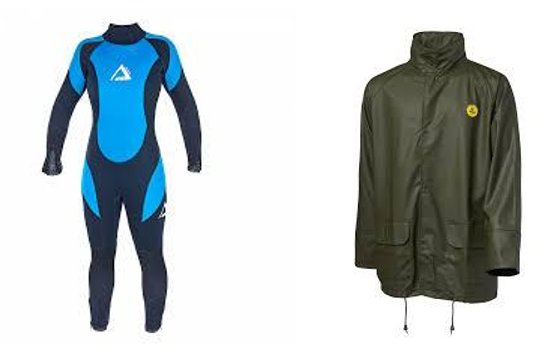
Clothing: Natural rubber is a popular material for sportswear, such as shorts and wetsuits.
Flooring : Natural rubber is an ideal choice for many gyms and playgrounds due to its elasticity. Natural rubber is durable over years of use, easy to clean and maintain.
Mattress : Because natural rubber is derived from nature and does not contain any toxic chemicals, its safety level is very high. Thanks to that, it is used to produce mattress and pillow products.
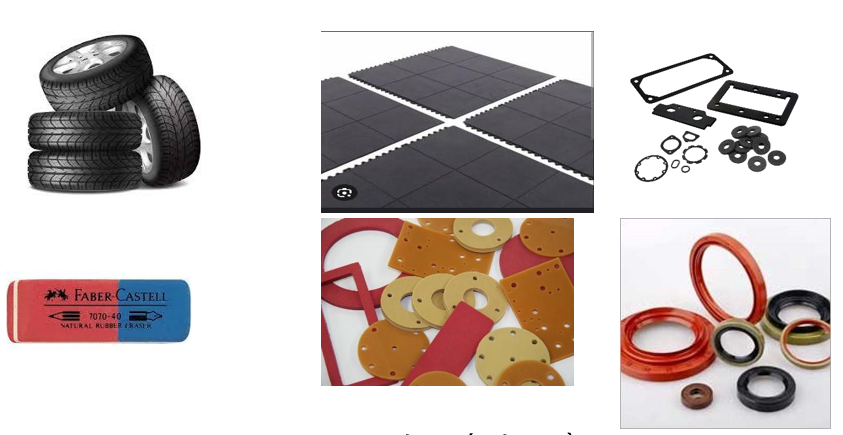
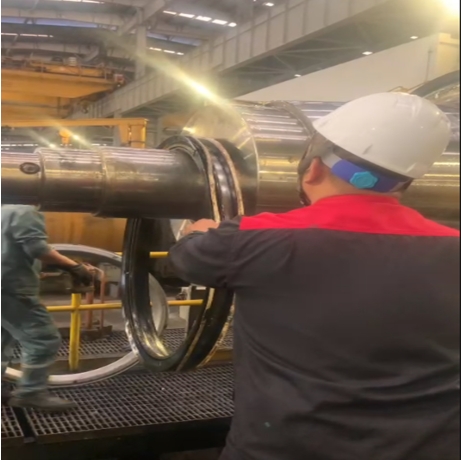
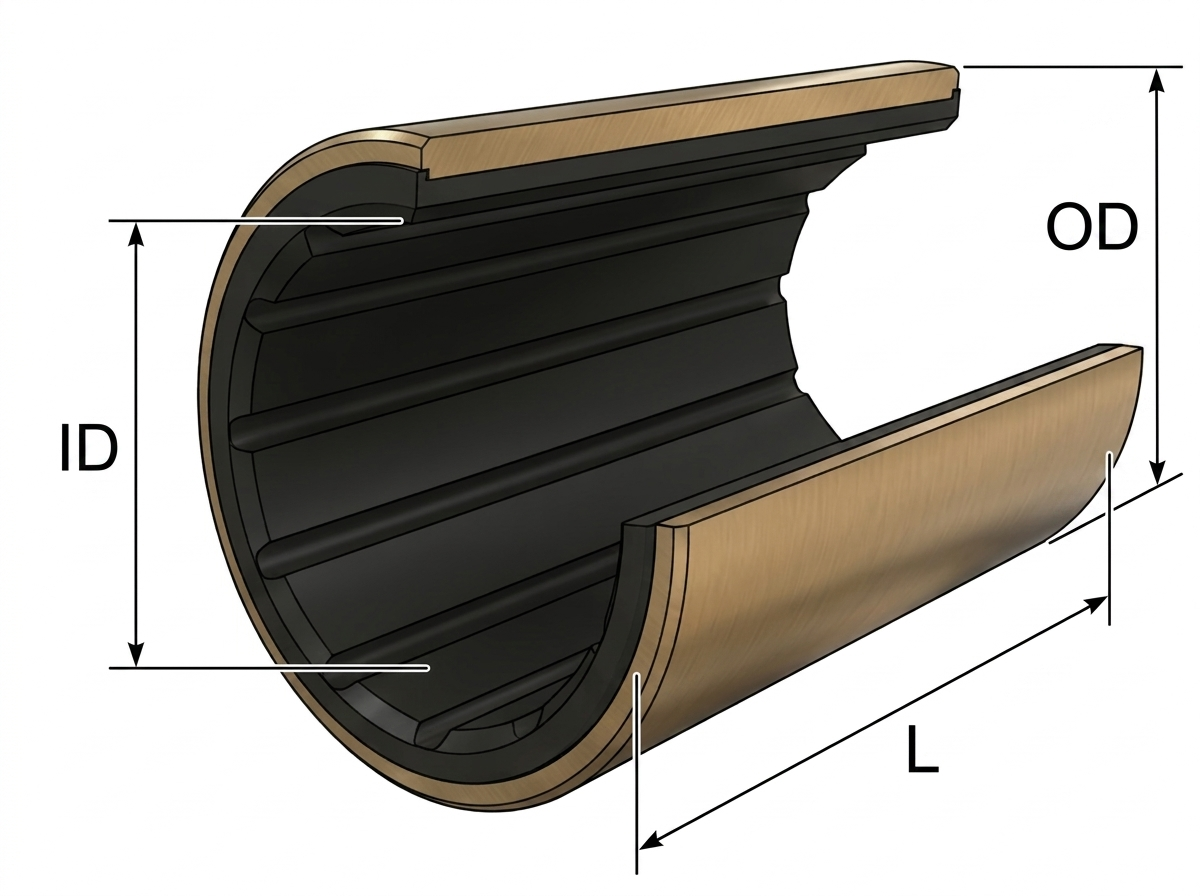
Anh Tri Tue Company specializes in manufacturing technical rubber products from natural rubber.
As one of the units with many years of research on rubber, Anh Tri Tue Company specializes in providing high quality technical rubber products with the goal of top quality. If you are considering Natural Rubber for your next projects, please contact us for advice and quotation.