Open almost any catalogue for water-lubricated propeller shaft bearings and you will see the phrase “NBR rubber bearing”.
That is not a marketing slogan – over time, NBR has become the de-facto standard material for marine shaft bearings.
So what exactly is NBR? How is it different from “normal” rubber, and why is it the preferred choice inside the stern tube?
What is NBR and how does it differ from regular rubber?
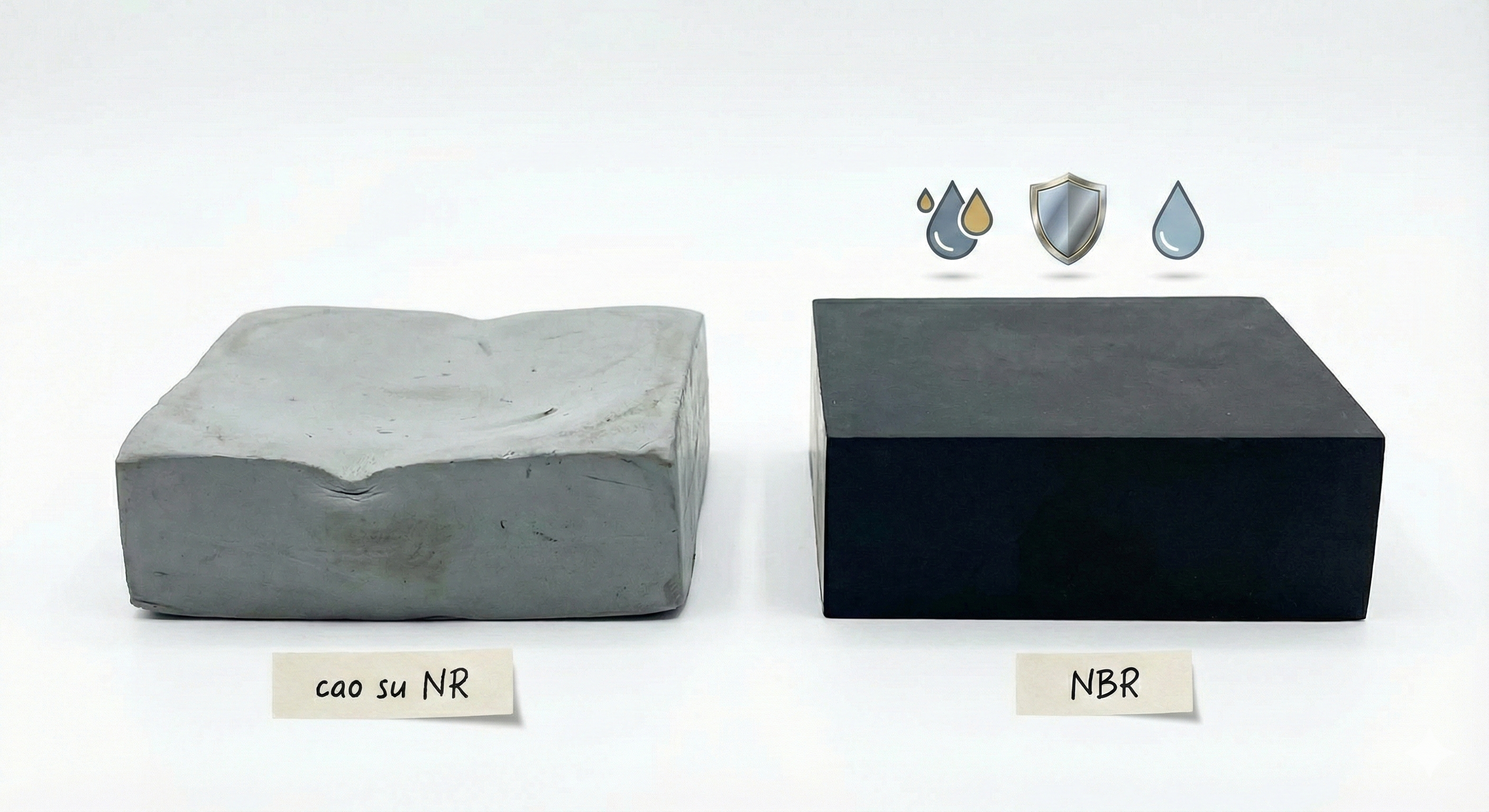
When people say “normal rubber” they usually mean natural rubber (NR) or general-purpose synthetic rubbers used in tyres, mounts and simple seals.
NBR – Nitrile Butadiene Rubber – is a synthetic rubber made from butadiene and acrylonitrile.
Thanks to this chemistry, NBR offers:
For shaft bearings, NBR compounds are further filled and reinforced to:
The shaft bearing’s job: a much harsher life than most rubber parts
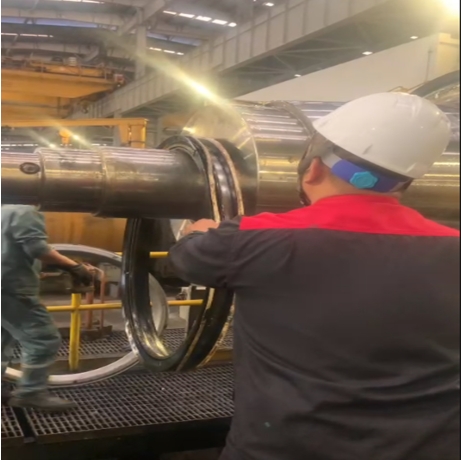
A stern-tube bearing has to survive conditions that are far tougher than most rubber components ever see:
Put a soft, low-grade or oil-sensitive rubber into this environment and the result is predictable:
In short, the bearing needs a material that is mechanically strong, abrasion-resistant and chemically stable in this environment – which is exactly what NBR provides.

Why NBR outperforms ordinary rubber in shaft bearings
Better abrasion resistance in sandy, muddy water
Seawater around the propeller is rarely clean.
Every minute, hard particles pass through the bearing with the cooling water: sand, silt, shell fragments.
NBR’s high tear strength and abrasion resistance mean:
That translates directly into longer bearing life and less scoring on the shaft surface.
The right mix of stiffness and elasticity
For a shaft bearing, rubber that is:
NBR can be formulated in the 60–80 Shore A range – a sweet spot for marine bearings:
Other rubbers at similar hardness often become much less elastic and more brittle than NBR, which leads to cracking.
Stable in seawater, oils and normal operating temperatures
Even though the bearing is water-lubricated, the stern-tube area still sees:
Here NBR has clear advantages:
Conventional rubbers, by contrast, tend to swell, soften and lose strength in oil, and their surfaces easily blister or crack when locally overheated.
Manufacturing-friendly for precision bearing designs
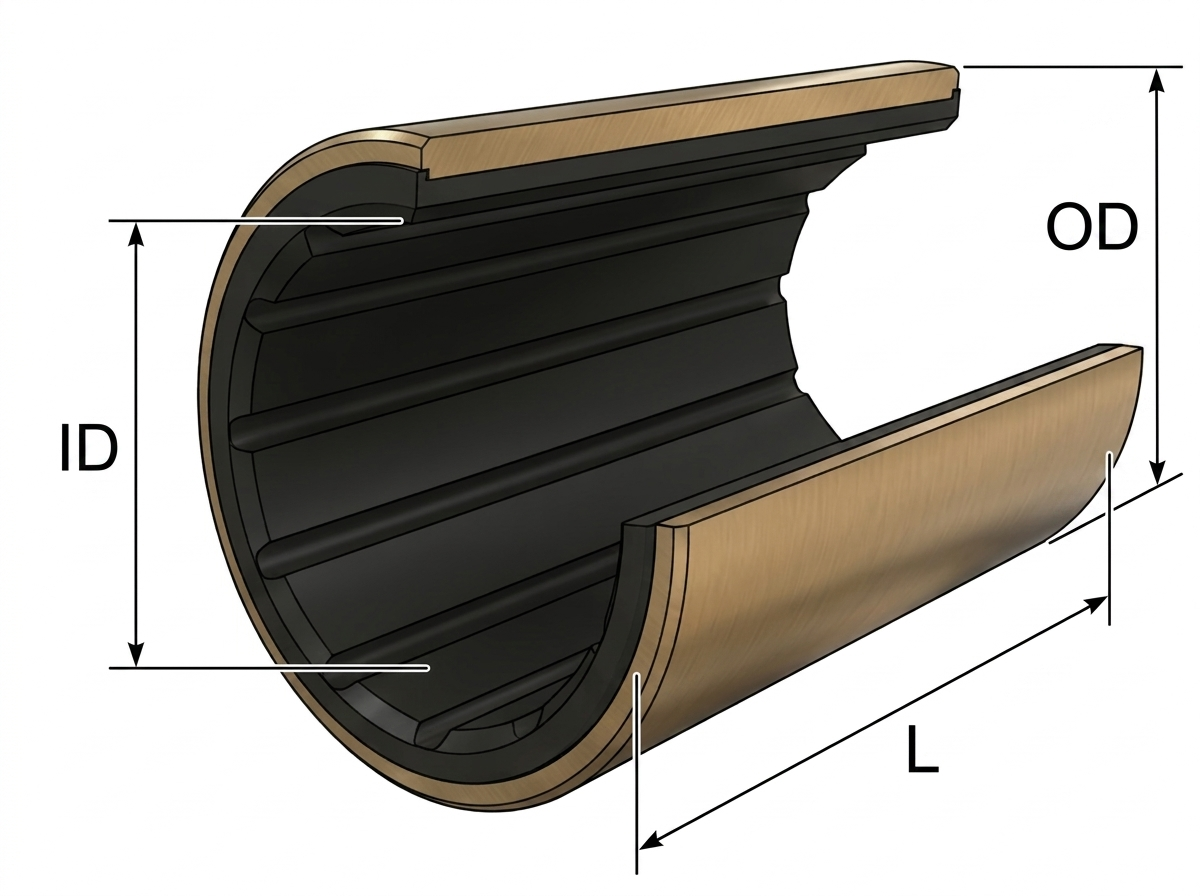
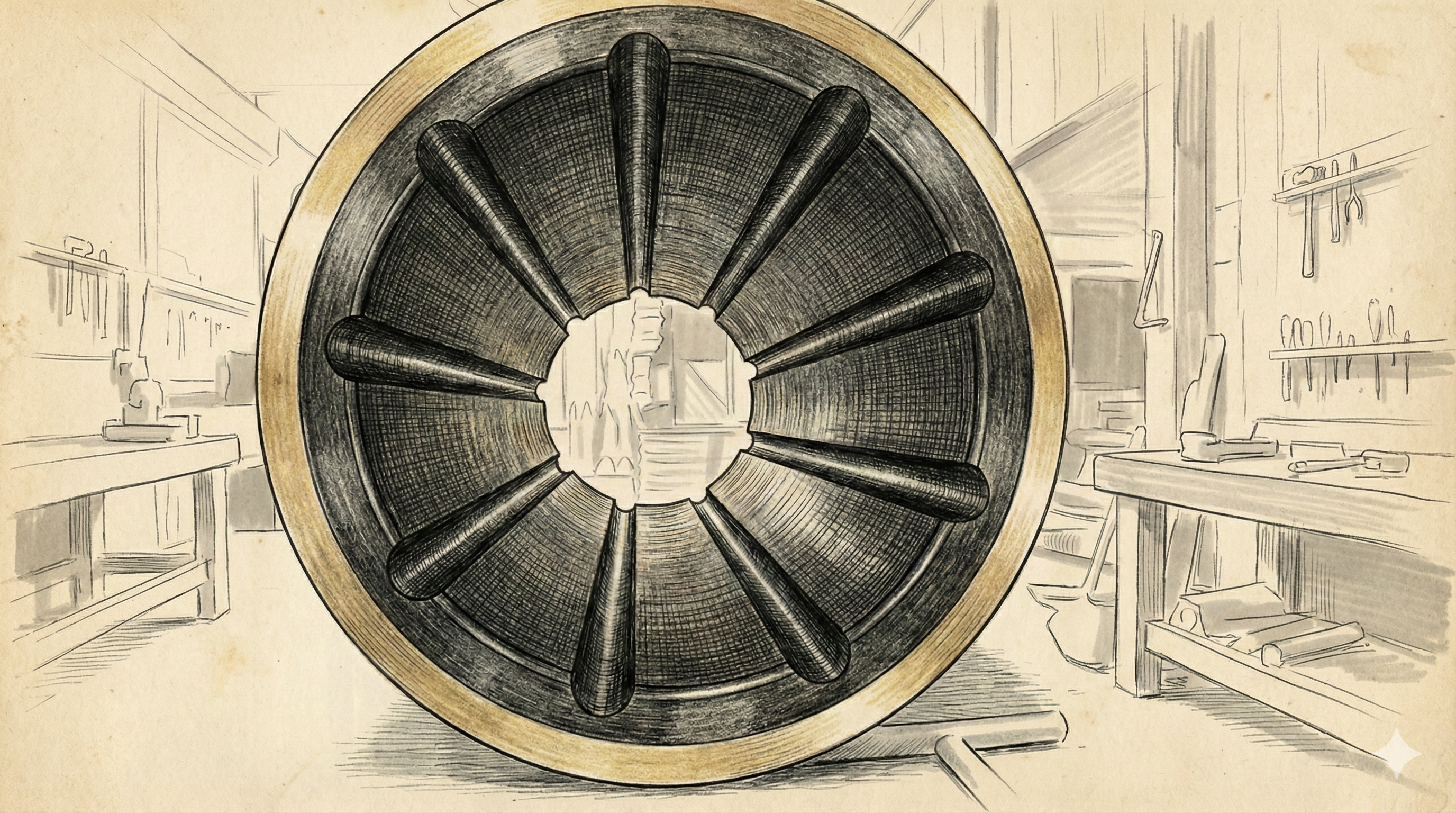
Marine shaft bearings are not simple rubber tubes. They have:
NBR’s processing behaviour and vulcanisation stability make it well suited to:
That makes it easier for manufacturers to guarantee that the finished bearing will match the drawing and run smoothly once installed.
Balanced cost and lifecycle performance
Compared with premium high-temperature or special oil-resistant elastomers, NBR offers:
Compared with cheap general-purpose rubber, NBR may cost a little more per kilogram, but:
Once you include dock time, pulling the shaft, machining and re-assembly, NBR bearings are almost always cheaper over the life of the vessel than “saving” a bit of money with low-grade rubber.
What happens when you don’t use NBR?
Using non-optimised rubber in a stern-tube bearing often leads to:
The resulting repair bills and lost operating days quickly wipe out any initial cost saving.
Propeller shaft bearings operate in one of the harshest environments on the vessel.
In that environment, NBR stands out by combining:
That combination is why most marine bearing manufacturers have standardised on NBR – to extend bearing life, protect the shaft and cut operating costs throughout the vessel’s life.