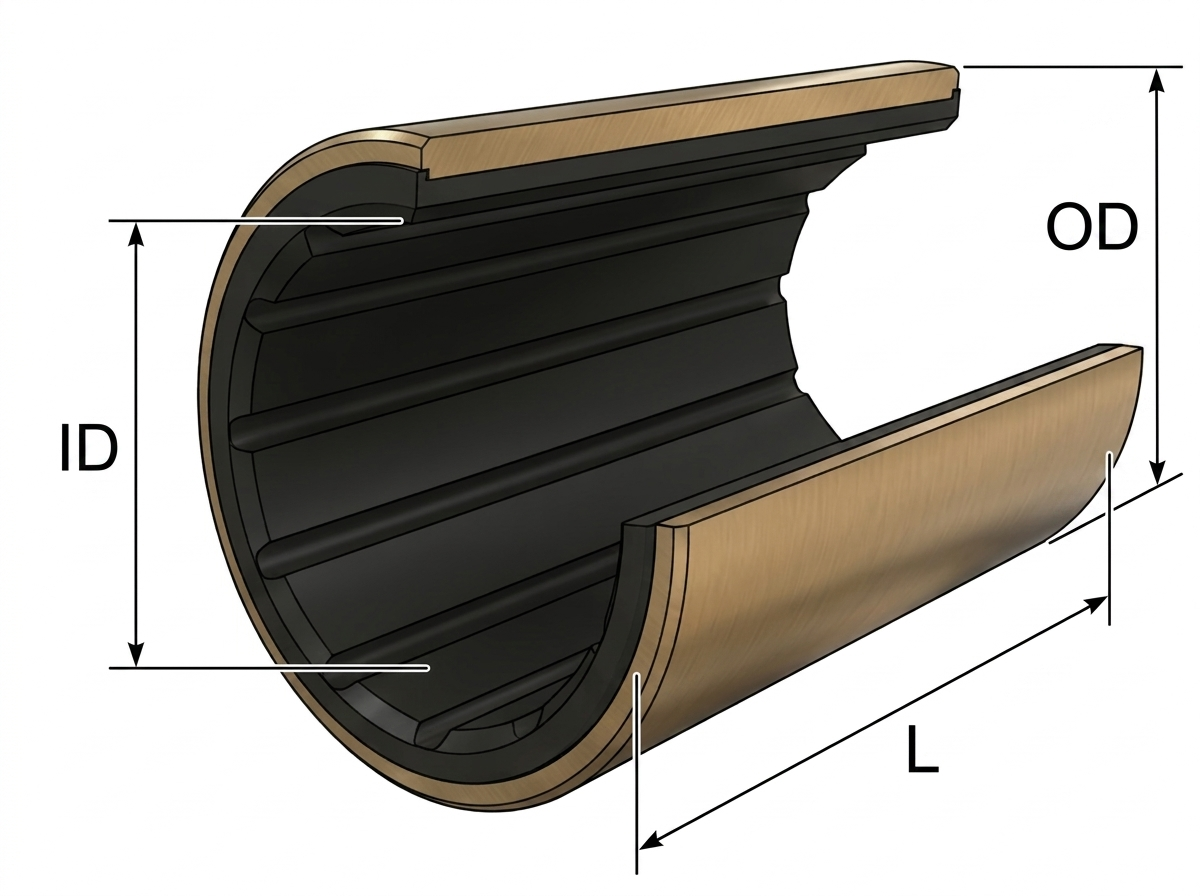
The propeller shaft bearing sits inside the stern tube, out of sight, but it has a huge influence on how the vessel actually runs:
- how smooth and quiet the shaft line is,
- how efficiently the propeller turns engine power into thrust,
- how long the shaft, seals and gearbox will last.
The bearing has to support the shaft, absorb vibration and survive in seawater loaded with sand and silt, under constantly changing loads. That is why its application needs to be considered separately for different vessel types instead of treating all ships the same.
Why vessel type matters
Each group of vessels works in a very different way:
- Fishing vessels: flexible wooden or light-steel hulls, lots of vibration, constant start–stop operation, often in shallow, sandy waters.
- Cargo ships: long passages at steady power, strict safety and fuel-efficiency targets, clear class requirements.
- Service vessels (tugs, workboats, offshore service vessels…): continuous manoeuvring, towing, pushing, rapid speed changes and strong torsional vibration.
Those differences change the loads on the shaft line and on the propeller shaft bearing. Choosing a bearing without looking at how the vessel actually works is a quick way to create vibration problems and unplanned downtime.

Fishing vessels – bearings in a harsh, abrasive environment
On most fishing boats the shaft bearing has a tough life:
- the hull is flexible, so the shaft line is easily misaligned and vibrates;
- the boat runs in shallow, sandy water where the cooling water is full of sand and silt;
- power demand goes up and down all the time when shooting or hauling nets, searching for fish or running for shelter;
- maintenance is often done only when something feels “too bad to ignore”.
On these vessels, a good rubber shaft bearing keeps the shaft more or less on centre even when the hull works in the seaway, damps vibration so the engine feels smoother and the crew is less tired, and survives the abrasive mix of seawater, sand and mud.
For fishing vessels it makes sense to:
- use rubber bearings with robust grooves that can flush out grit,
- allow a slightly larger clearance so sand can pass through instead of being trapped,
- check shaft and stern-tube alignment every time the boat is hauled, and
- replace bearings before wear becomes excessive and starts damaging the shaft.

Cargo ships – reliability and efficiency first
On a cargo ship the shaft line is long, heavy and expensive. Any problem in the stern tube can take the vessel off-hire for days or weeks.
Here the propeller shaft bearing is expected to:
- keep the shaft line on a stable centreline regardless of changing cargo loads,
- provide a low-friction sliding surface so less power is lost and fuel consumption stays under control,
- maintain the clearances required for seals and intermediate bearings to work properly,
- minimise vibration to protect the stern structure.
That usually means:
- bearings with very stable materials and low friction surfaces,
- bearing clearances calculated and checked against class rules,
- regular monitoring of bearing temperature, vibration and any leakage in the stern-tube area,
- planned dry-dock inspections to measure wear and renew bearings before they exceed limits.

Service vessels – dealing with shock loads and frequent manoeuvring
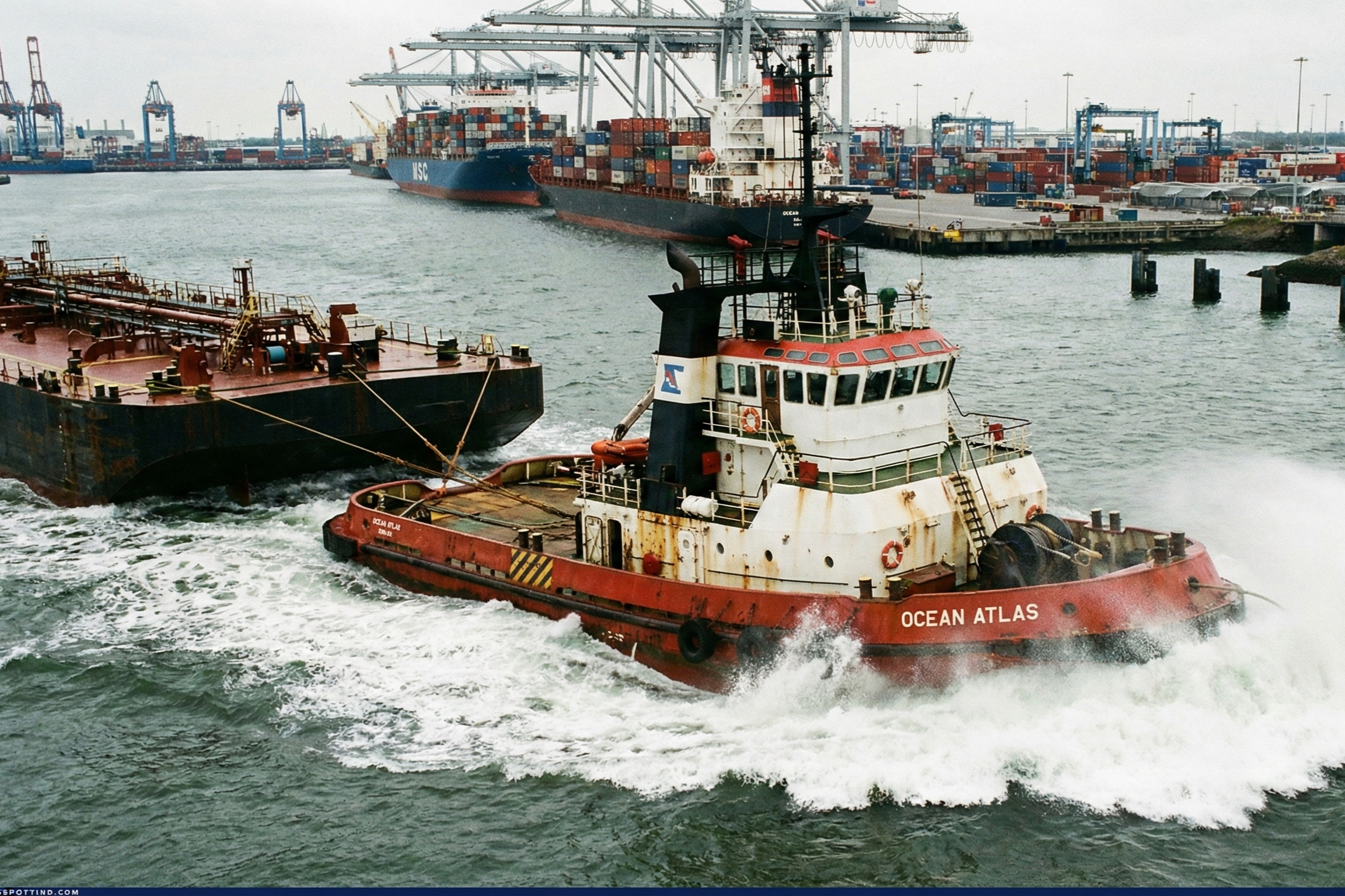
Service vessels – tugs, offshore supply vessels, harbour workboats, patrol boats – put very dynamic loads into the shaft line:
- frequent full-ahead / full-astern manoeuvres,
- rapid acceleration and deceleration,
- heavy towing and pushing forces,
- operation close to quays, piles and moorings where the propeller can hit debris or ropes.
For this type of vessel the propeller shaft bearing must not only support the shaft but also:
- absorb short, sharp shock loads from the propeller,
- cope with torsional vibration when towing,
- keep vibration and noise at a manageable level for the crew.
Designers therefore tend to specify bearings with very good damping properties, groove patterns that keep the water film stable even when the shaft reverses frequently, and tight control of shaft alignment so wear remains uniform.
Quick guide – matching bearing characteristics to vessel type
- Fishing vessels → focus on abrasion resistance, ease of replacement and strong vibration damping.
- Cargo ships → prioritise dimensional stability, low friction and long service life under class rules.
- Service vessels → look for shock and torsional-vibration resistance plus good damping during frequent manoeuvres.
Reviewing the operating profile of the vessel and matching it with the bearing design – material, groove pattern, clearance and alignment – is the most effective way to avoid vibration complaints, reduce repair bills and keep the ship earning money instead of sitting in the yard.