1. What is EPDM rubber?
Ethylene propylene diene monomer, or EPDM, is a synthetic rubber commonly used in many industries. Developed in the early 1960s, it is made from ethylene, propylene, and diene monomers. Commonly used dienes are dicyclopentadiene (DCPD) and ethyldienenorborne (ENB). These dienes provide strong cross-linking properties.
EPDM rubber is a very versatile and durable rubber with a wide range of applications. While natural rubber can break down when exposed to sunlight and ozone and become brittle over time, some synthetic rubbers like EPDM are designed to withstand harsher conditions and can last much longer.

Structure of EPDM rubber
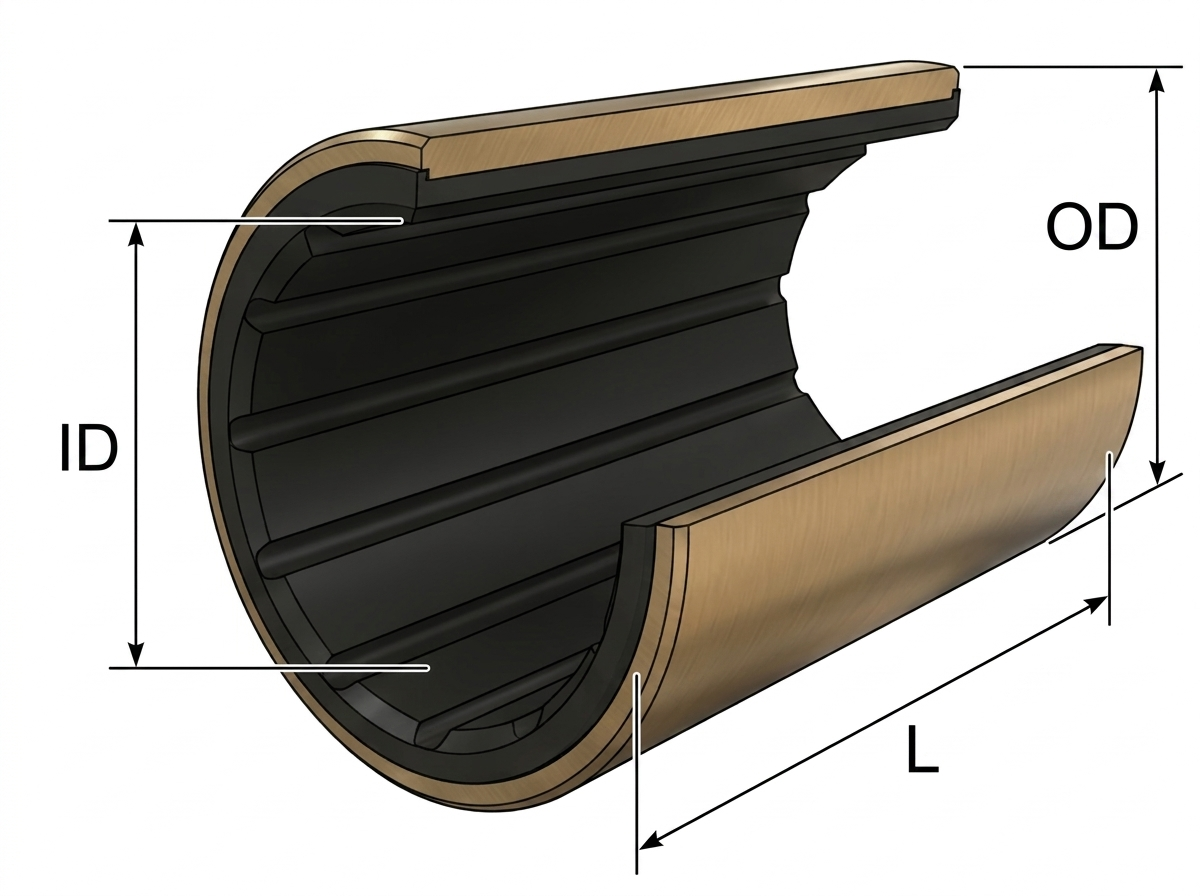
EPDM has many applications due to its durability, flexibility, ability to withstand a relatively wide temperature range, and many other properties. Some of the applications include expansion joints, O-rings, gaskets, rubber shafts, conveyor belts, inner tubes, tire sidewalls, automotive parts, and many other outdoor applications. It is also the only rubber used to make entire roofing systems.
2. History of EPDM rubber
EPDM was developed by DuPont in the 1950s and was first used for roofing in the early 1960s. It was invented because natural rubber could not meet the high world demand at that time.
The material became popular in the 1970s when the oil embargo in the Middle East drove up the price of asphalt roofing. By the 1980s, EPDM dominated the single-ply roofing market.
3. EPDM rubber properties
Ethylene propylene diene monomer rubber (EPDM) has many properties, including:
Durability : EPDM is durable and can last for decades if properly maintained.
Weather Resistance : EPDM is resistant to UV, ozone, aging and weathering. It does not fade when exposed to the elements. EPDM is a popular choice for outdoor applications due to its durability and weather resistance.
Water resistance : EPDM is one of the rubber materials with the best water resistance.
Temperature range : EPDM can withstand temperatures from -50°C to 150°C.
Chemical resistance : EPDM is resistant to acetone, alcohol, glycol, weak acids and alkalis.
Flexibility : EPDM rubber hose is bendable, easy to install, has good elasticity, does not deform when stretched, and can stretch up to 600% and pull range from 500 to 2500 psi.
Abrasion and tear resistance : EPDM has good abrasion and tear resistance.
Vapor resistance : EPDM has good vapor resistance.
Properties of EPDM rubber
|
Properties |
Value |
|
Hardness, Shore A |
60 - 75 |
|
Tensile strength |
25 MPa |
|
Elongation at break |
≥ 300% |
|
Proportion |
1.12 đến 1.4 g/cm3 |
Thermal properties of EPDM rubber
|
Properties |
Value |
|
Coefficient of expansion |
160 µm/m·K |
|
Maximum temperature |
150 °C |
|
Minimum temperature tolerance |
−50 °C |
However, EPDM has some disadvantages, including:
4. EPDM rubber applications:
Three typical applications of EPDM rubber
EPDM is widely used as a cost-competitive polymer due to its beneficial properties and good processability. Here are three typical applications of EPDM rubber.
EPDM rubber has good sound insulation and noise reduction properties, which is also part of the reason why it is widely used in sealing parts in the automotive industry. EPDM is not only waterproof and UV resistant, but also bonds quickly to metal. You can find this type of rubber in car door seals, chassis seals, brake systems, wires and cable bundles. It is also combined with other materials to create reinforcing panels, bumpers and car chassis.

EPDM rubber is commonly used in the heating, ventilation, and air conditioning (HVAC) industry because of its low electrical conductivity and resistance to water and steam. EPDM’s relatively wide temperature range allows it to operate in HVAC applications for long periods of time without the risk of embrittlement or deterioration due to thermal conditions. Another application of EPDM rubber is to dampen vibrations in HVAC fans and motors that would otherwise cause noise.

EPDM’s resistance to environmental factors such as moisture, UV light and ozone makes it an ideal material for seals, especially seals for outdoor applications. EPDM gaskets and seals retain their elastic properties even when subjected to repeated heating and cooling. EPDM is also a versatile seal material and seals are susceptible to certain chemicals, including detergents, sodium hydroxide solutions and many dilute acids. However, EPDM seals should not be used for applications involving mineral oil products.
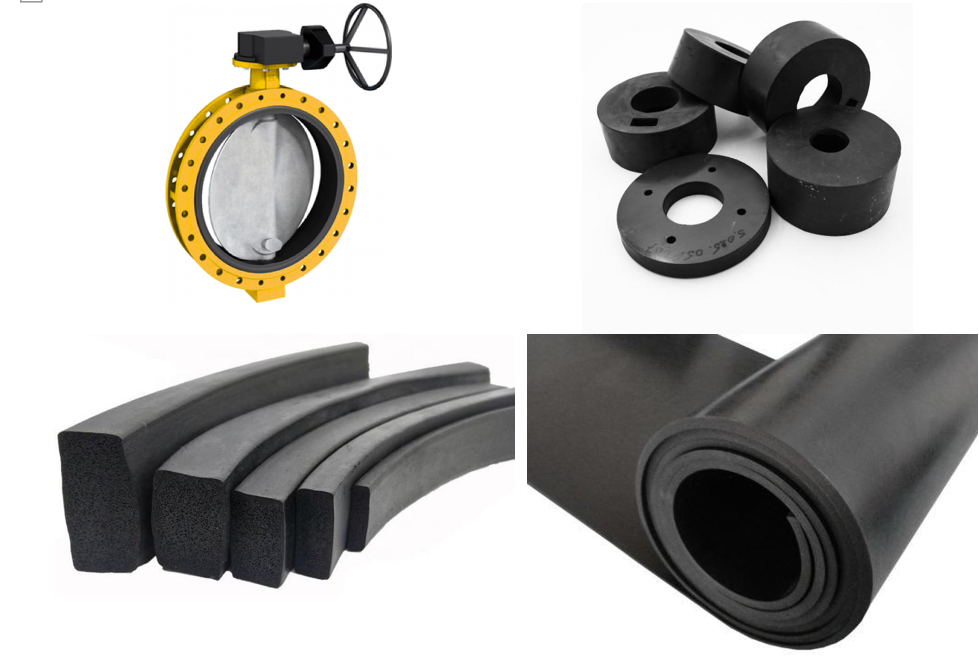
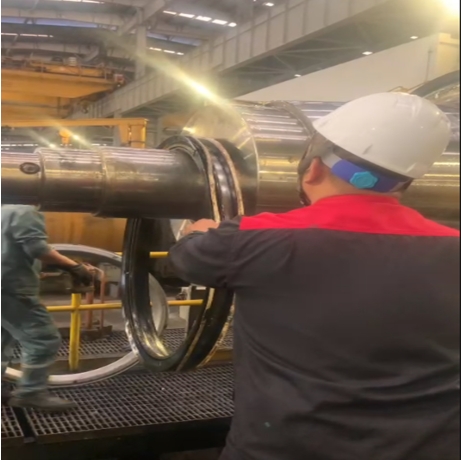
Anh Tri Tue Company specializes in manufacturing EPDM rubber products on demand.
With over 20 years of experience, Anh Tri Tue Company specializes in manufacturing technical rubber products from EPDM rubber materials such as rubber gaskets for butterfly valves, seals, rubber joints, etc. to meet the needs of operating machinery and equipment for many key industries at home and abroad.