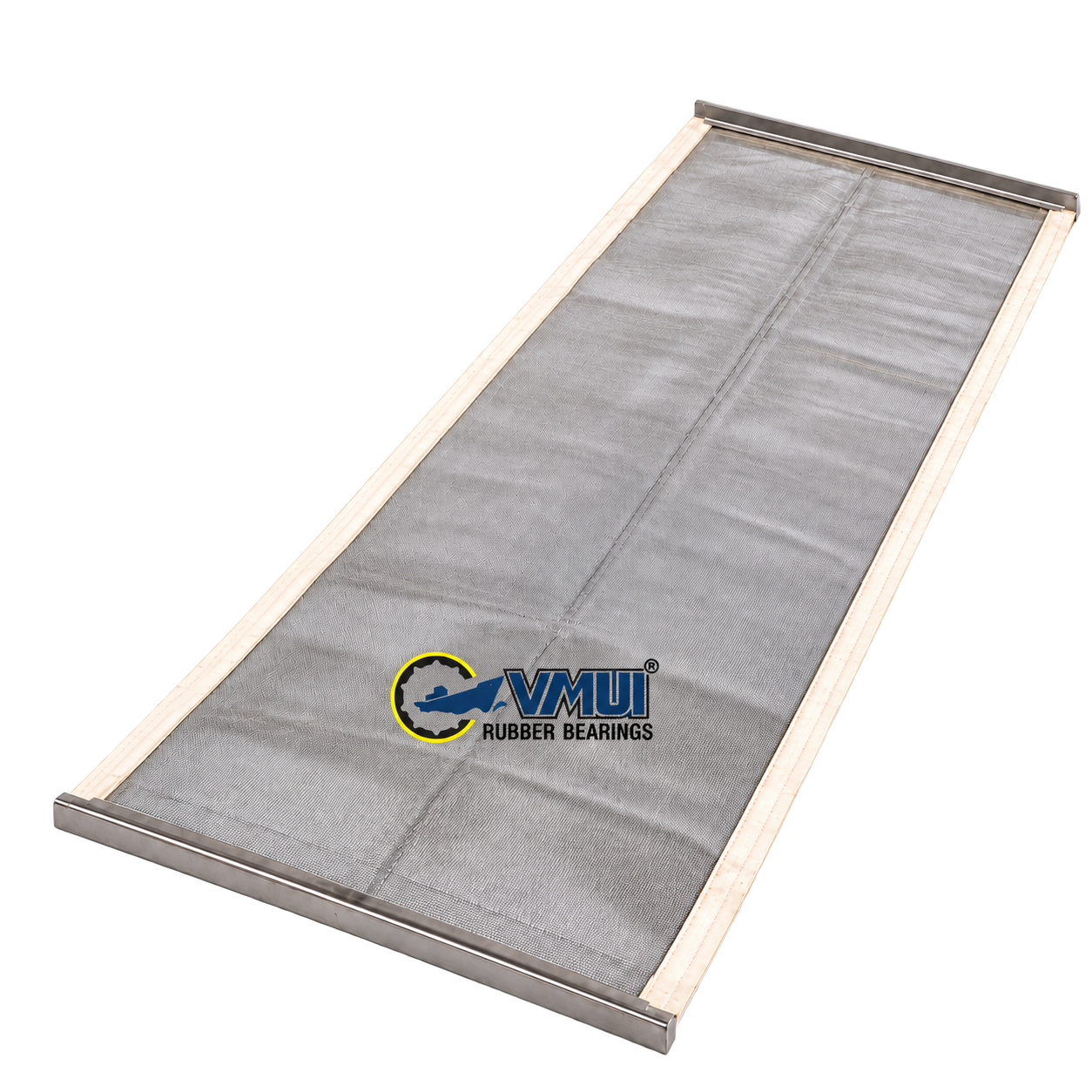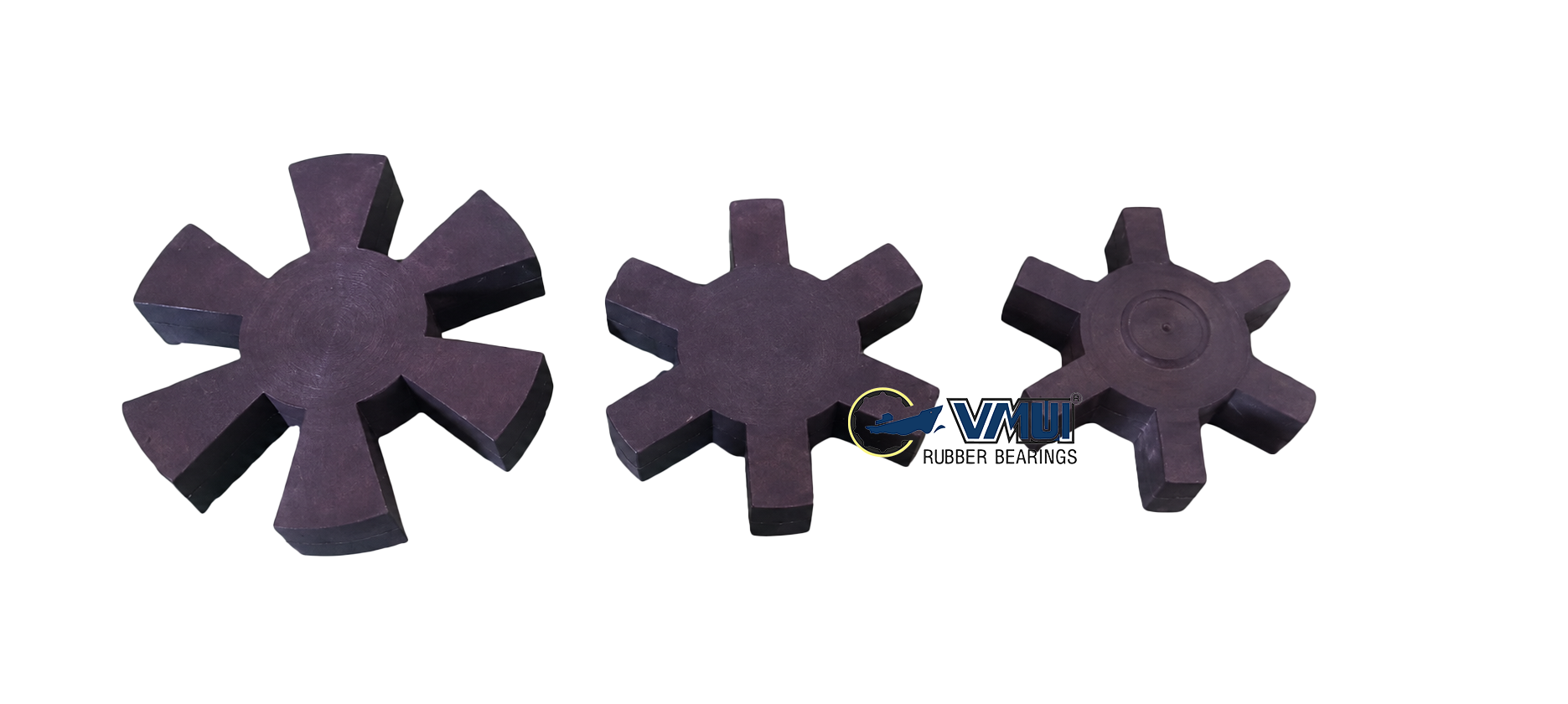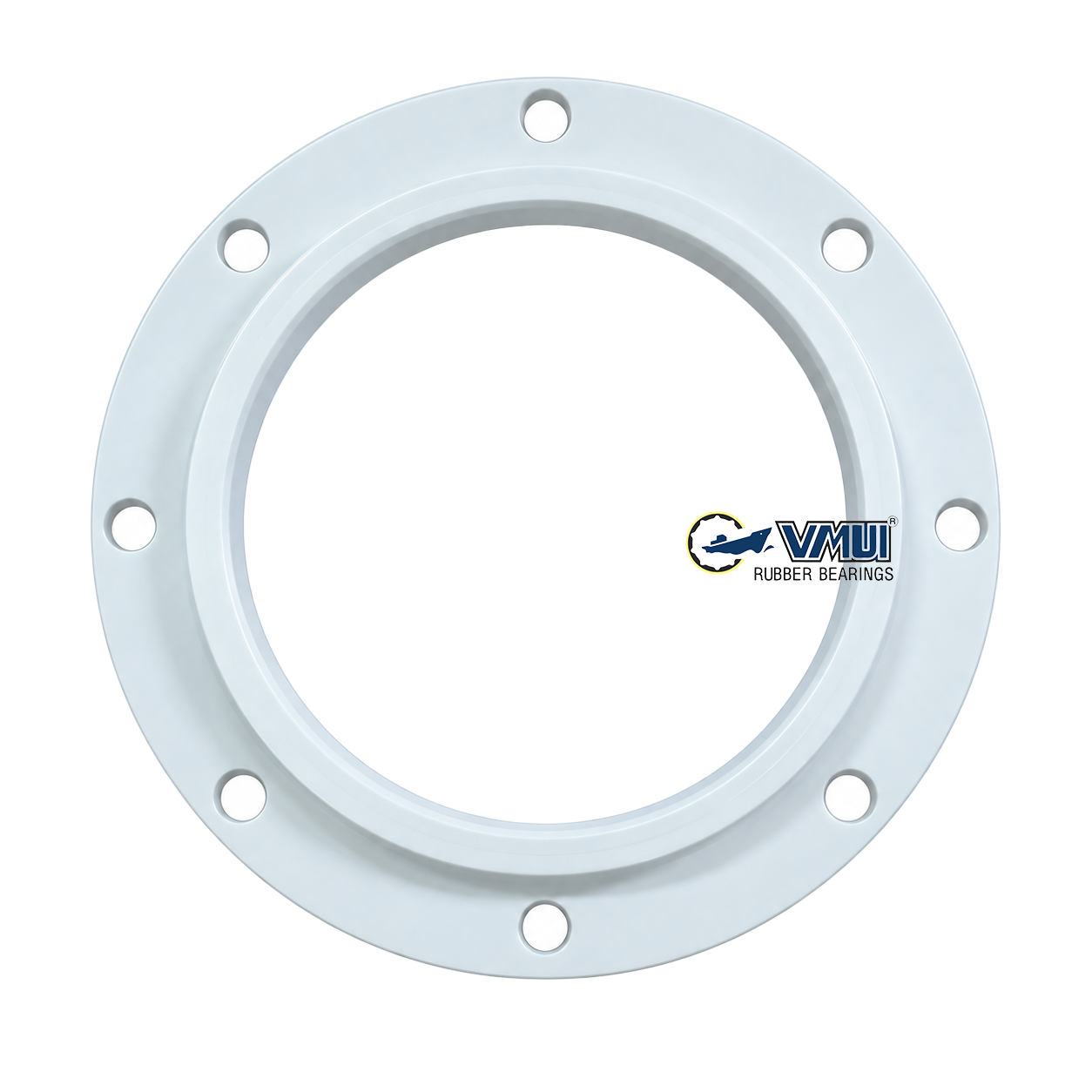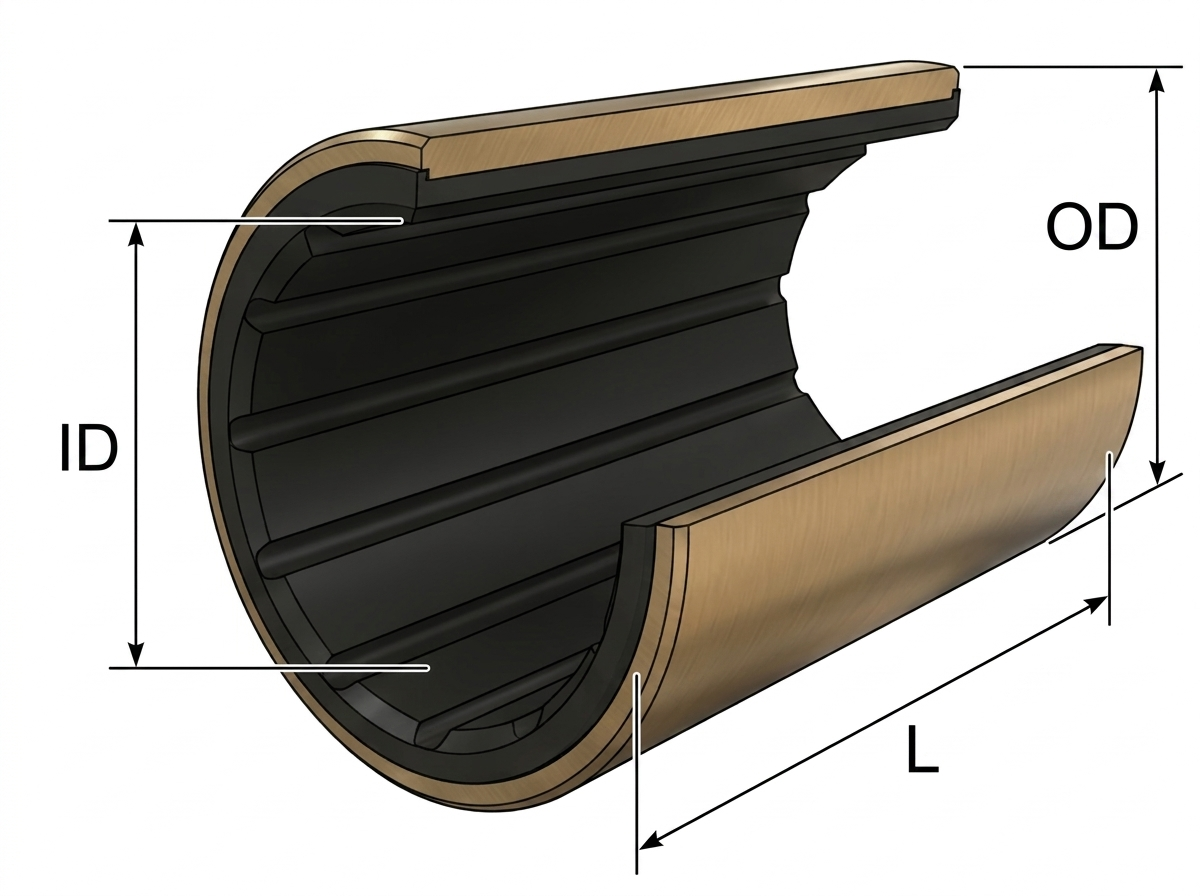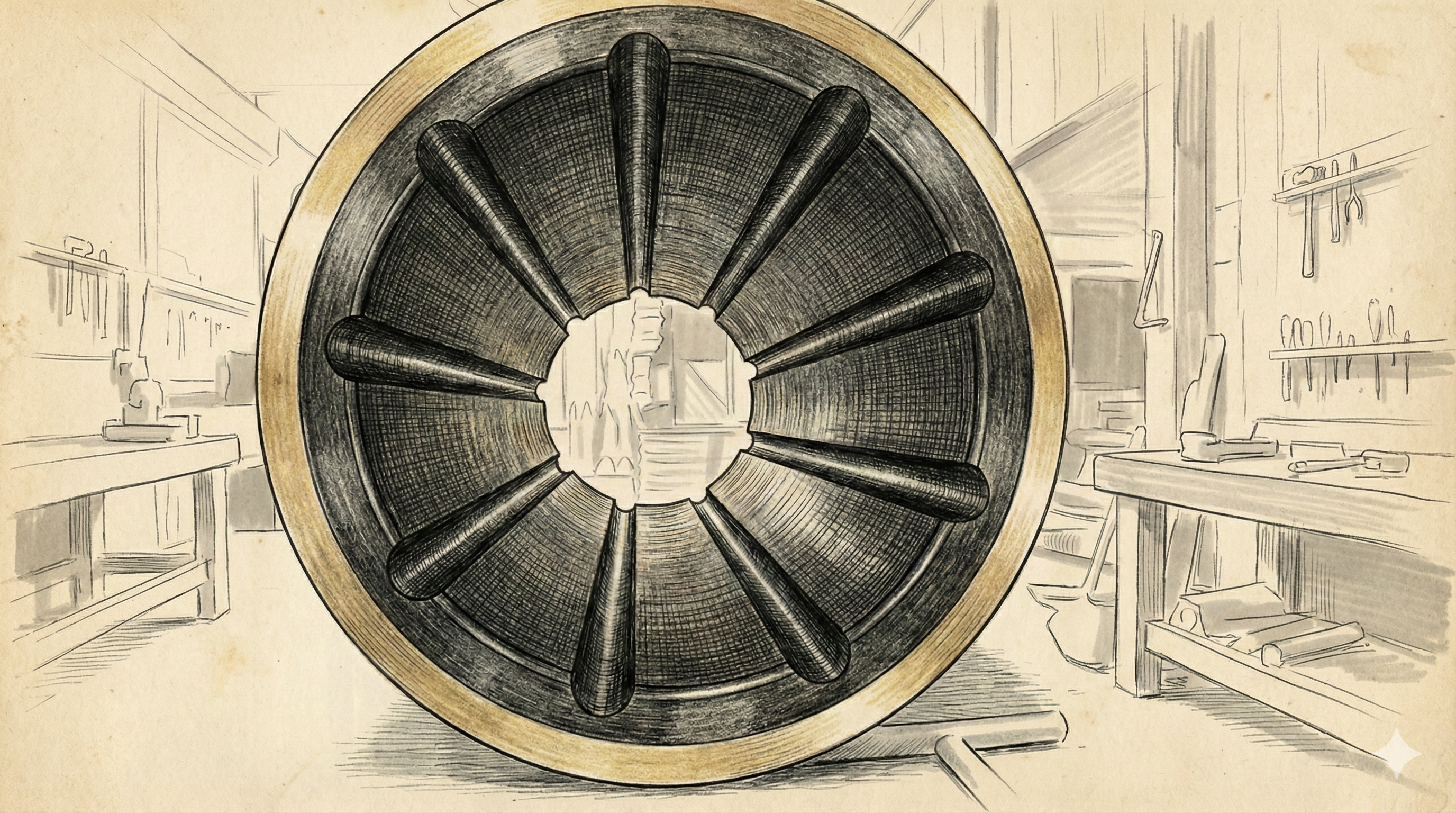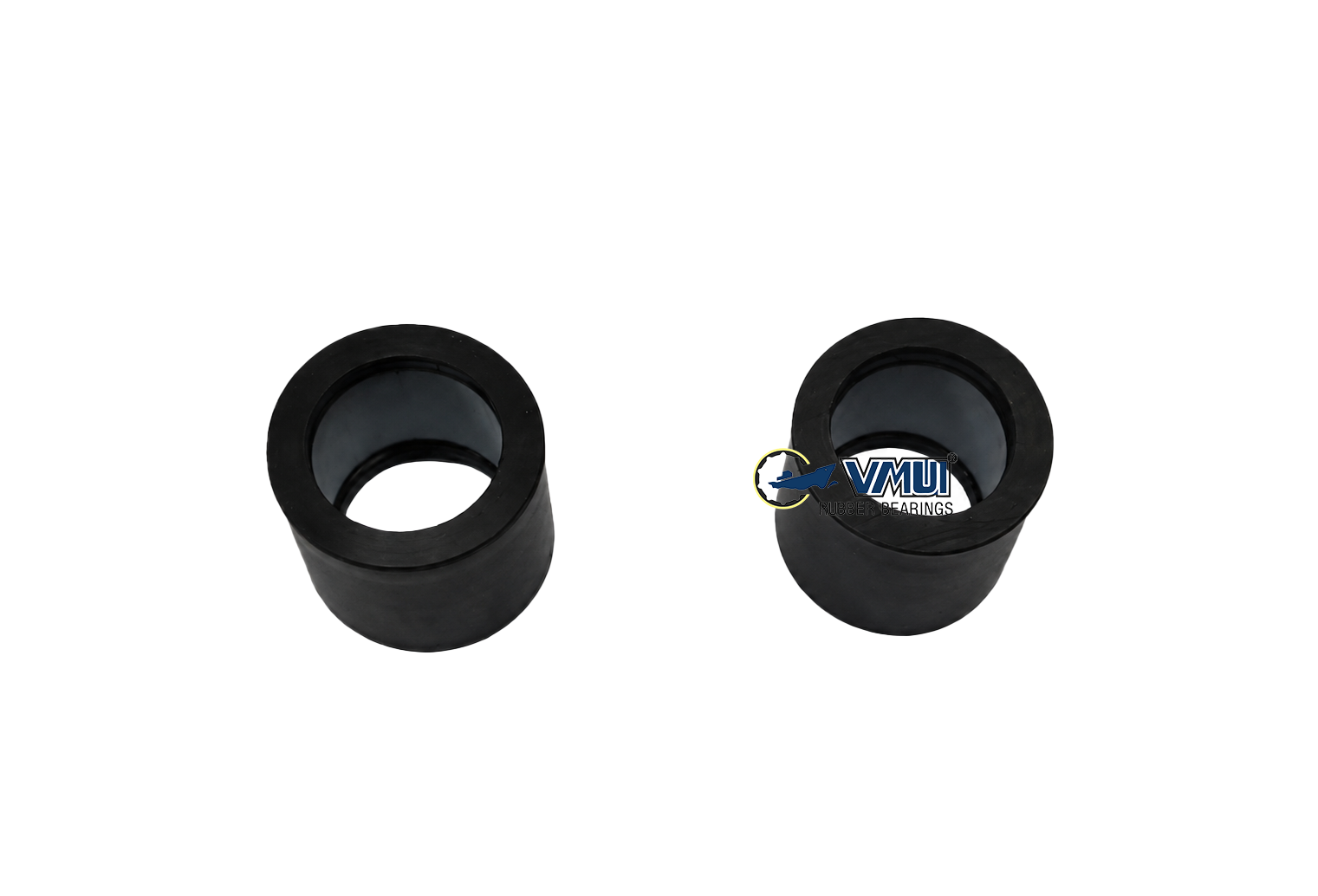
A PTFE-lined FKM rubber seal combines an outer fluorocarbon rubber body with an inner PTFE lining. The two materials are bonded into a single component, providing both the elasticity of rubber and the low-friction, non-stick properties of PTFE.
The product is suitable for sealing positions that come into contact with shafts, sleeves, or moving surfaces, particularly in environments involving oil, elevated temperatures, chemicals, or demanding wear conditions.
The seal consists of the following main components:
When installed in the equipment, the outer FKM rubber layer is compressed to generate sealing force and keep the seal firmly positioned within its groove or housing. The inner PTFE lining directly contacts the shaft, sleeve, or moving surface.
This combination enables the seal to maintain reliable contact while reducing friction at the working surface. It is therefore suitable for positions where conventional rubber seals may generate excessive heat, wear, or sticking during extended operation.
FKM rubber provides elasticity and recovery after compression, while PTFE offers a low coefficient of friction. This combination addresses the limited elasticity of solid PTFE seals while reducing friction compared with direct rubber-to-shaft contact.
FKM rubber is suitable for many environments involving mineral oils, fuels, and elevated temperatures. The inner PTFE lining provides additional protection against friction and various industrial media.
Actual resistance to temperature and operating media depends on the FKM compound, PTFE grade, pressure, movement speed, and duration of service.
PTFE has good non-stick properties, helping reduce the accumulation of material or residue on the working surface. This is beneficial for equipment that requires stable operation or frequent cleaning.
The PTFE lining reduces friction between the seal and shaft, helping limit heat generation and premature wear at the contact area.
The elastic outer FKM layer helps the seal remain securely positioned and accommodate minor surface irregularities. The product can be molded with a custom profile to match a specific equipment assembly.
The seal can be installed around pump shafts, drive assemblies, or other areas where fluid leakage must be controlled. The PTFE lining reduces friction against the shaft, while the FKM layer maintains sealing pressure.
In gearboxes, motors, and drive assemblies, the seal helps retain lubricating oil while preventing dust, water, and contaminants from entering.
Mixers, agitators, and processing machines often have shafts passing through the equipment housing. PTFE-lined FKM rubber seals can be installed at these positions to provide sealing and reduce friction during shaft movement.
The product is suitable for machines, valves, pumps, and shaft assemblies exposed to chemical media, provided that the FKM and PTFE grades are correctly selected according to the chemical, temperature, and operating pressure.
The oil and heat resistance of FKM, combined with the non-stick and low-friction properties of PTFE, makes the product suitable for selected equipment handling oils, fuels, and industrial gases.
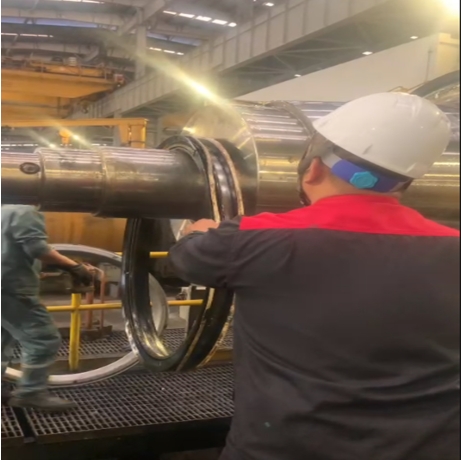
The seal can be used in shaft assemblies, shaft ends, bearing housings, and rolling equipment where sealing components are exposed to friction, heat, and continuous operating conditions.
In marine applications, the seal can be installed in shaft assemblies, pumps, transmission systems, and other positions requiring sealing in environments involving oil, water, or high humidity.
The product can also be used in presses, packaging machines, material-processing equipment, and production lines with rotating shafts or moving surfaces that require sealing.
Conventional FKM seals provide good elasticity and resistance to oil and heat. However, when the rubber surface directly contacts a moving shaft, friction can generate heat and cause wear over time.
In a PTFE-lined FKM rubber seal, the PTFE layer is positioned at the contact surface to:
The following information should be determined when selecting a PTFE-lined FKM rubber seal:
Not every FKM compound and PTFE grade is suitable for all chemical environments. The materials must be selected according to the actual operating conditions.
PTFE-lined FKM rubber seals can be manufactured according to physical samples, technical drawings, or specified requirements, including:
Correct profile design, suitable material selection, and strong bonding between PTFE and FKM help the seal maintain reliable sealing performance, reduce friction, and improve durability during operation.