A silicone sealing gasket, also known as a custom-molded silicone flange gasket, is a technical rubber component used to create a seal between a cover, flange, and equipment body. It helps prevent the leakage of water, air, moisture, and other compatible media during operation.
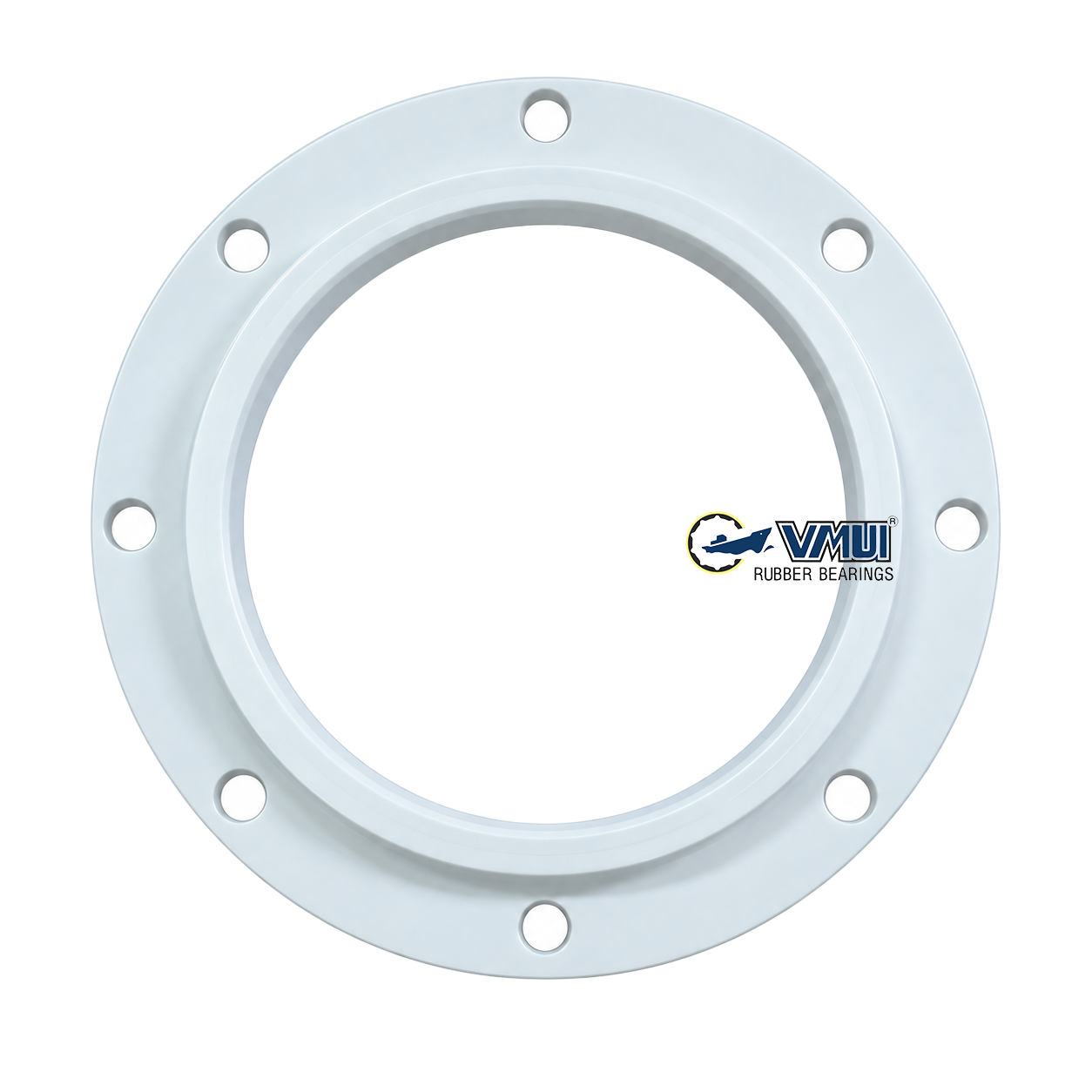
The gasket is molded as a single piece, with a shape and cross-section designed to match its installation position. Some designs feature evenly spaced bolt holes and a raised inner sealing lip, which securely positions the gasket and improves sealing performance after assembly.
Unlike flat gaskets cut directly from rubber sheets, silicone sealing gaskets are shaped in a mold. This method allows the production of components with complex features such as:
When the bolts are tightened, the gasket rim is compressed between the two mating surfaces. The silicone sealing lip deforms elastically, fills minor surface gaps, and creates a continuous sealing area around the equipment opening.
Silicone sealing gaskets perform several functions in industrial equipment:
The gasket is molded as a single component without joints around its circumference. This construction provides a uniform shape and reduces the risk of leakage at joint areas.
The holes are positioned to match the flange or equipment cover, keeping the gasket correctly aligned during installation. When the bolts are tightened evenly, the clamping force is distributed around the circumference to maintain a reliable seal.
The raised lip creates a concentrated contact area against the mating surface. Under compression, the silicone lip deforms and fills small gaps, improving sealing performance without excessively compressing the entire gasket.
Silicone rubber can deform under compression and recover afterward. This property allows the gasket to accommodate minor changes in surface condition and temperature during operation.
Silicone maintains its properties across a wide temperature range and offers good resistance to ozone, ultraviolet radiation, moisture, and weathering. This makes it suitable for thermal equipment and indoor or outdoor operating environments.
Silicone sealing gaskets are used in equipment with circular covers, inspection openings, or bolted mating surfaces.
The gasket is installed between the cover and the vessel body to help prevent the leakage of liquids, vapors, or air. Its molded sealing lip helps position the gasket correctly and create a secure seal around the opening.
Typical applications include:
Thanks to the heat resistance of silicone, the gasket can be used in:
The actual operating temperature must be determined according to the silicone formulation, hardness, exposure time, and working conditions.
Silicone sealing gaskets are used to seal covers, machine chambers, filling assemblies, and connection points in processing and packaging equipment. Their smooth surface also makes them easier to clean.
The gasket can be used in tanks, mixers, filling equipment, and food or beverage processing systems when manufactured from an appropriate silicone compound that meets applicable food-contact requirements.
A white or translucent appearance alone does not confirm that the product is food-grade. The material must comply with the standards and documentation required for the intended application.
Because of its electrical insulation, heat resistance, and moisture resistance, the silicone sealing gasket can be used to seal electrical boxes, control cabinets, lighting equipment, sensors, and electronic enclosures.
The product is also suitable for machine covers, flange assemblies, water treatment equipment, manufacturing machinery, and other mechanical systems. Its dimensions, cross-section, and hardness should be selected according to the pressure, contact medium, and equipment design.
Silicone rubber is selected for sealing gaskets because it offers:
Not every silicone compound is suitable for contact with oils, fuels, chemicals, or high-pressure operation. The material must therefore be selected according to the actual operating environment and service conditions.
Silicone sealing gaskets can be manufactured according to physical samples, technical drawings, or specified requirements, including:
Selecting the correct dimensions, sealing-lip profile, and hardness helps ensure proper installation, even compression, and reliable sealing performance during operation.